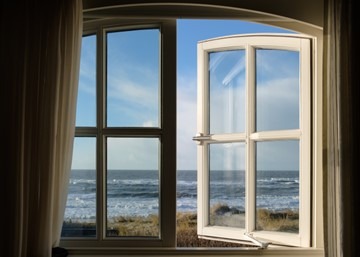
Both internal and external views of windows and doors are essential for different purposes. The internal view is crucial for understanding the impact of windows and doors on the interior design, lighting, and aesthetics of a room. The external view is essential for assessing the building’s overall appearance, curb appeal, and how the windows and doors fit into the architectural style.
When presenting models or visual representations of windows and doors, providing both internal and external views can help users fully appreciate the design and functionality of the products from different perspectives. This comprehensive approach allows customers to make well-informed decisions that suit their needs and preferences for both the interior and exterior aspects of their buildings.
Difference between Open in and Open Out
The terms “open in” and “open out” refer to the direction in which a door or window swings or opens when it is operated. This distinction is important because it can have practical implications for the functionality, aesthetics, and safety of the door or window in different settings. Let’s explore the differences between “open in” and “open out”: