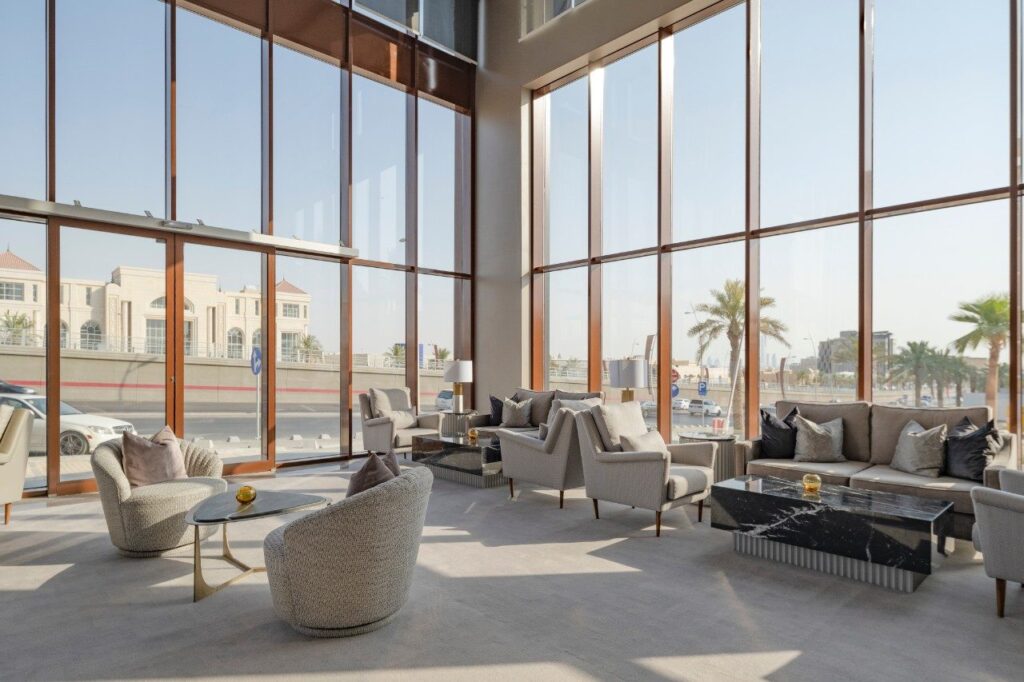
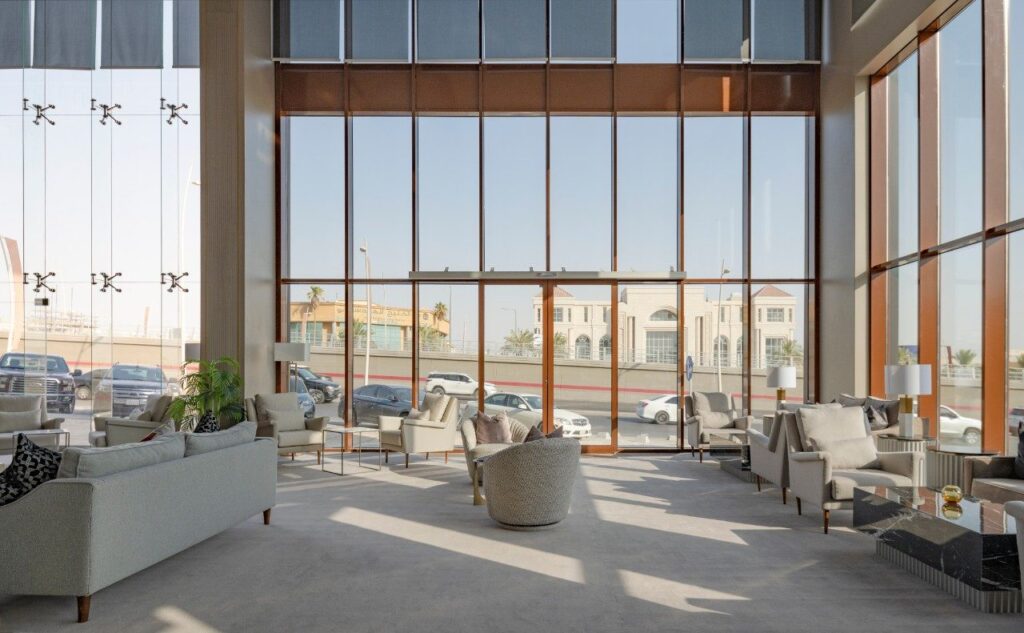
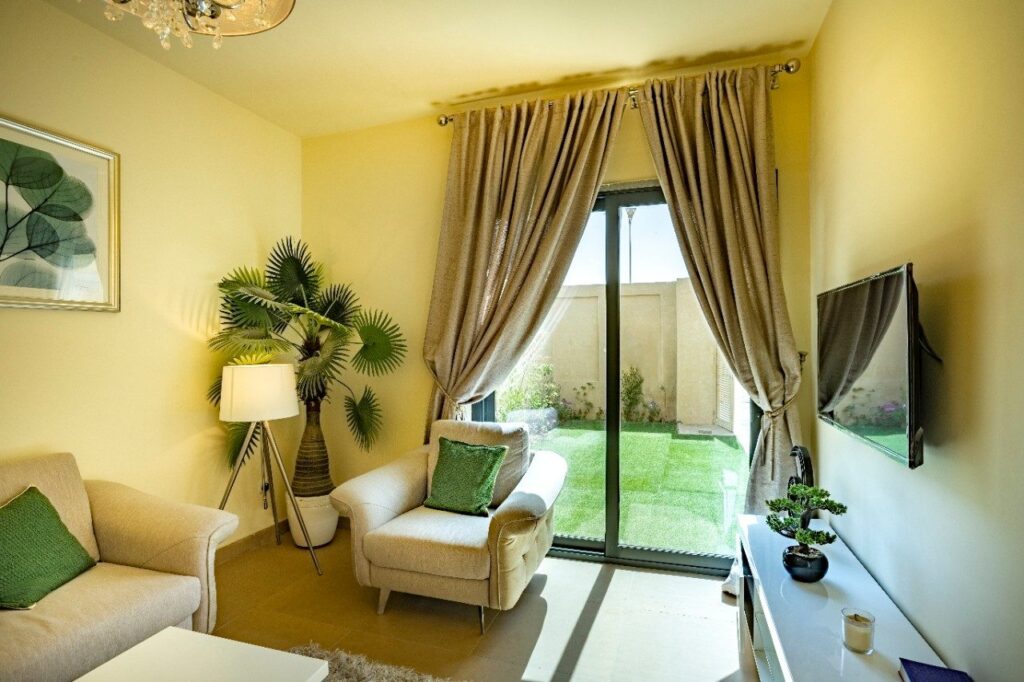
Our expertise lies in crafting custom glass solutions in Dubai, ensuring every piece complements your space perfectly.
Our skilled team specializes in high-quality glass installations and replacements, made with premium materials.
We offer a wide range of designs and sizes to fit any home or office needs
We provide competitive pricing and reliable delivery, ensuring arrival on time and in pristine condition.
By availing the window and door installation services of Glassifieds, the client agrees to abide by these terms and conditions.
Choosing the perfect doors and windows for your space can feel overwhelming, but it doesn’t have to be! This quick guide walks you through the essential considerations—from understanding different styles to taking accurate measurements—so you can make confident decisions and create a functional, beautiful environment.
Tilt-and-turn windows are popular in Europe and gaining popularity in other regions due to their functionality, energy efficiency, and ease of maintenance.
Each type of window has its own set of advantages and is suitable for different purposes and preferences.

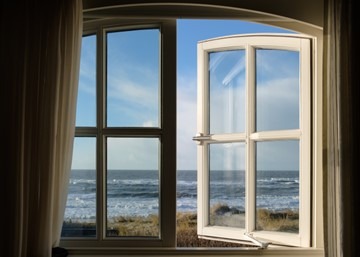
The internal view of a window or door refers to the perspective from the inside of a building or room looking towards the exterior. When you are standing inside a room and looking at a window or door, the view you have of the outside is called the internal view. It shows what you can see when you look out through the window or open the door and step outside. It represents the view from within the building, looking outward.

The external view of a window or door, on the other hand, is the perspective from the outside of the building looking inwards. It shows what the window or door looks like from the perspective of someone standing outside the building and looking in. It represents the view from the exterior of the building, looking inside.
Both internal and external views of windows and doors are essential for different purposes. The internal view is crucial for understanding the impact of windows and doors on the interior design, lighting, and aesthetics of a room. The external view is essential for assessing the building’s overall appearance, curb appeal, and how the windows and doors fit into the architectural style.
When presenting models or visual representations of windows and doors, providing both internal and external views can help users fully appreciate the design and functionality of the products from different perspectives. This comprehensive approach allows customers to make well-informed decisions that suit their needs and preferences for both the interior and exterior aspects of their buildings.
The terms “open in” and “open out” refer to the direction in which a door or window swings or opens when it is operated. This distinction is important because it can have practical implications for the functionality, aesthetics, and safety of the door or window in different settings. Let’s explore the differences between “open in” and “open out”:


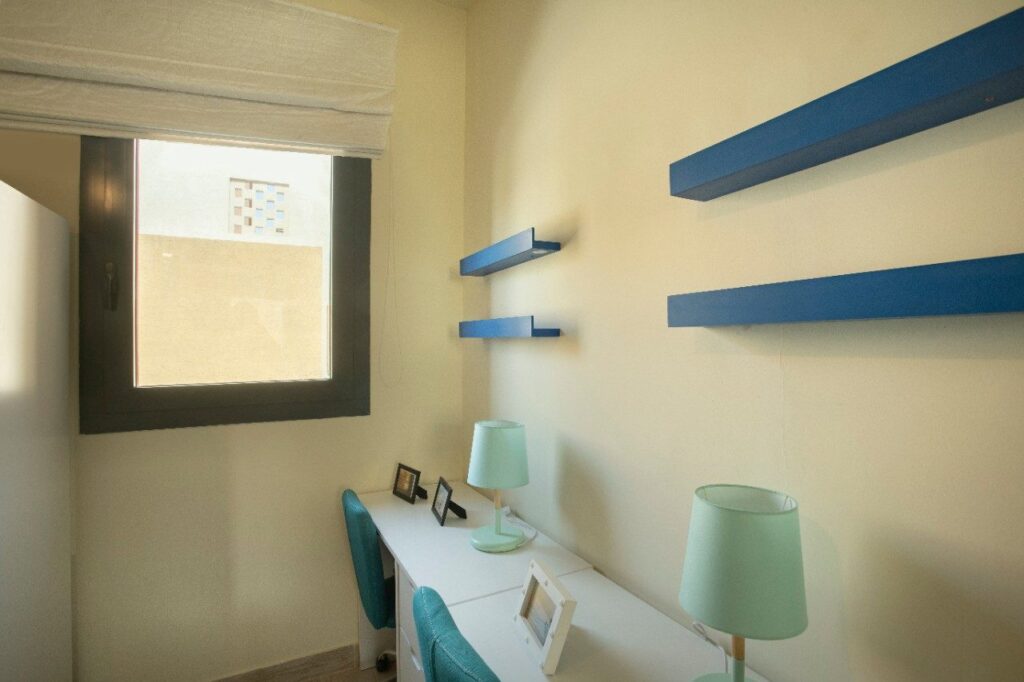
When a door or window is described as “open in,” it means that the door or window swings or opens into the interior of the building or room. In other words, when you open the door or window, it moves inside the building or room, taking up some space within the interior.
Advantages of Open In:
Considerations for Open In:

For doors or windows labeled as “open out,” the swing is directed outward, away from the interior of the building or room. When opened, the door or window moves towards the exterior space.
Advantages of Open Out:
Considerations for Open Out:
Ultimately, the choice between “open in” and “open out” depends on the specific requirements of the location, the design preferences, and any practical limitations. Whether it’s a door or a window, understanding the differences between these two options can help ensure that the chosen style fits well with the surrounding environment and offers the desired functionality.
It’s important to note that this convention may vary based on the design and manufacturer of the window or door. Always refer to the manufacturer’s guidelines or product documentation to confirm the specific operational directions of the window or door, especially if it is crucial for your installation or usage requirements. Understanding the direction of operation based on the handle’s position helps ensure that the window or door will fit well within the layout and accessibility needs of your living space or building.
Measuring windows and doors accurately is crucial to avoid mistakes when ordering products online. As a villa owner with average experience in measurements, follow these steps to ensure precise measurements:
By following these steps and being diligent in your measurements, you can avoid mistakes and confidently order the right window or door products for your villa online.
Double Glass Unit 24mm thick Reference Pics Double Glass Unit 24mm thick Reference Pics Double Glass Unit 24mm thick Reference Pics Double Glass Unit 24mm thick Reference Pics Double Glass Unit 24mm thick Reference Pics Double Glass Unit 24mm thick Reference PicsDS Silver
Color: Silver
Complies with DM requirements
U vlaue: 1.663 W/m2-K
Shading Coefficient SC: 0.22
Light Transmittance LT: 28


DS Emerald Green
Color: Green
Complies with DM requirements
U vlaue: 1.624 W/m2-K
Shading Coefficient SC: 0.24
Light Transmittance LT: 31


DS Blue
Color: Blue
Complies with DM requirements
U vlaue: 1.641 W/m2-K
Shading Coefficient SC: 0.25
Light Transmittance LT: 27


DS Grey
Color: Grey
Complies with DM requirements
U vlaue: 1.675 W/m2-K
Shading Coefficient SC: 0.25
Light Transmittance LT: 30


DS Bronze
Color: Bronze
Complies with DM requirements
U vlaue: 1.651 W/m2-K
Shading Coefficient SC: 0.24
Light Transmittance LT: 30


Super Neutral 40
Color: Neutral Glass
Complies with DM requirements
U vlaue: 1.591 W/m2-K
Shading Coefficient SC: 0.25
Light Transmittance LT: 40